Cheap vs Premium Minecraft Server Hosting in India: Why Quality Matters (2026)
Every server administrator has been tempted by dirt-cheap hosting. But what actually happens behind the scenes of a ₹50 or $1 host? We break down the technical reality of oversold nodes, CPU clock bottlenecks, and why enterprise hardware makes all the difference.
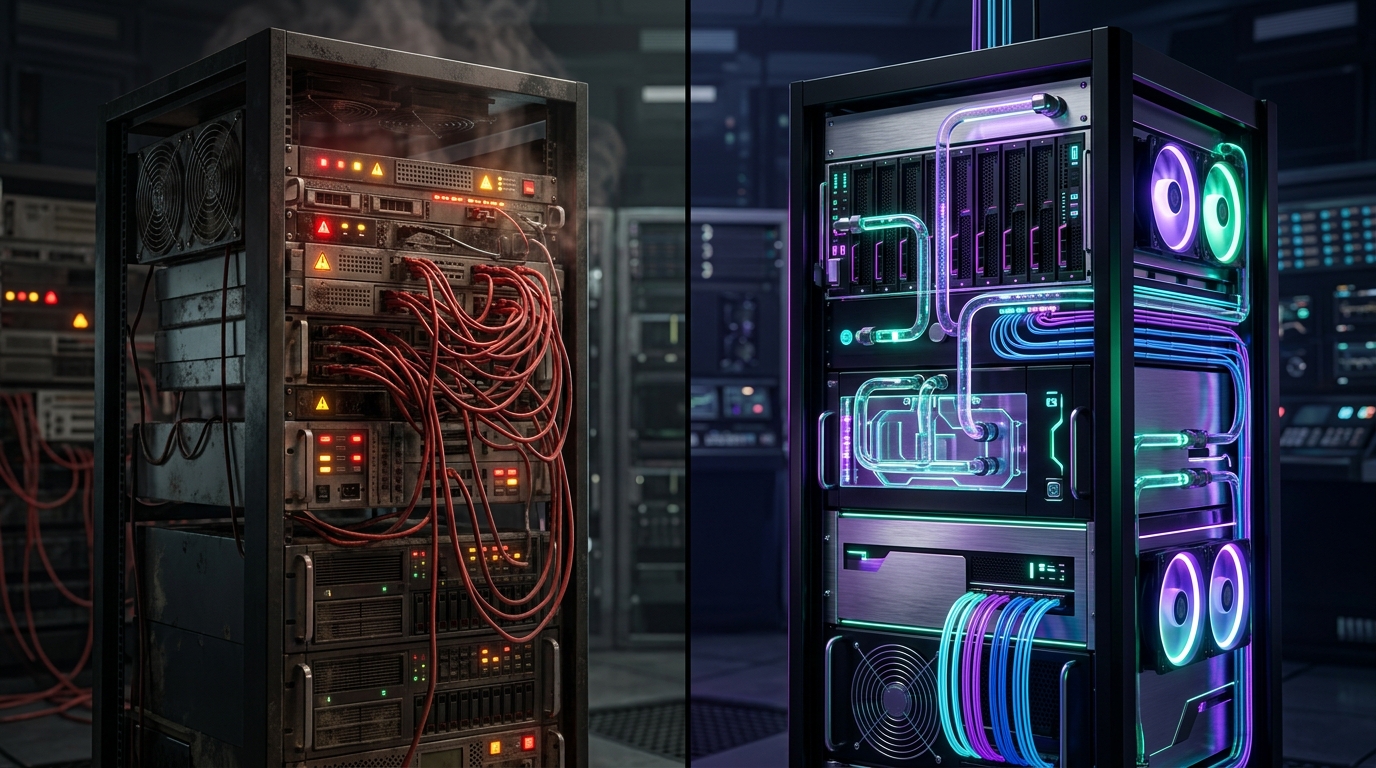
Table of Contents
- The Dirty Secret of Cheap Hosts: Node Overselling
- Single-Core Clock Speed: 2.4 GHz Xeons vs 5.7 GHz Ryzen 9
- Storage Differences: SATA SSDs vs Enterprise Gen4 NVMe
- Network Quality & Real DDoS Protection
- The Real Cost of Downtime for Indian Server Owners
- The Smarter Choice: Enterprise Quality at Fair Value
1. The Dirty Secret of Cheap Hosts: Node Overselling
How can some hosting companies sell 4GB RAM Minecraft servers for ₹50 or ₹80? The answer is mathematical: severe node overselling.
A dedicated physical server node might have 64GB of physical RAM and 16 CPU cores. An ethical, performance-focused host will allocate 12 to 14 client servers on that node, leaving headroom for Linux operating system buffers and Java memory spikes.
An oversold budget host will sell 40 to 60 servers on the exact same physical node, relying on Linux kernel swap files and virtual memory ballooning. In the morning when only 3 servers are active, everything looks fine. But between 6:00 PM and 10:00 PM when Indian players log on to play:
- Physical RAM fills up, forcing the server to swap memory to slow disk space
- CPU thread contention causes queue spikes, resulting in massive tick lag
- Servers randomly crash with OutOfMemory (OOM) errors
✘ Cheap Oversold Host
- 400% CPU thread oversubscription
- Dual Intel Xeon E5-2670 (2.6 GHz, 2012 architecture)
- SATA SSD or mechanical HDD storage
- Frequent TPS drops to 12.0 during peak hours
- Zero DDoS protection or basic null-route
✔ Azion Cloud Quality
- Strict resource isolation per container
- AMD Ryzen 9 & Intel Xeon Platinum (up to 5.7 GHz)
- PCIe 4.0 NVMe SSDs (7,100 MB/s)
- Guaranteed 20.0 TPS locked under 50+ player load
- 12+ Tbps always-on Path.net DDoS shield
2. Single-Core Clock Speed: 2.4 GHz Xeons vs 5.7 GHz Ryzen 9
Minecraft’s game loop is single-threaded. When a player flies an elytra over unexplored chunks, the server must calculate world generation, entity spawning, and block states on that single thread.
An old Intel Xeon server clocked at 2.4 GHz simply cannot finish those calculations within the 50ms tick window. The Milliseconds Per Tick (MSPT) spikes past 80ms, dragging the entire server down to 10 TPS.
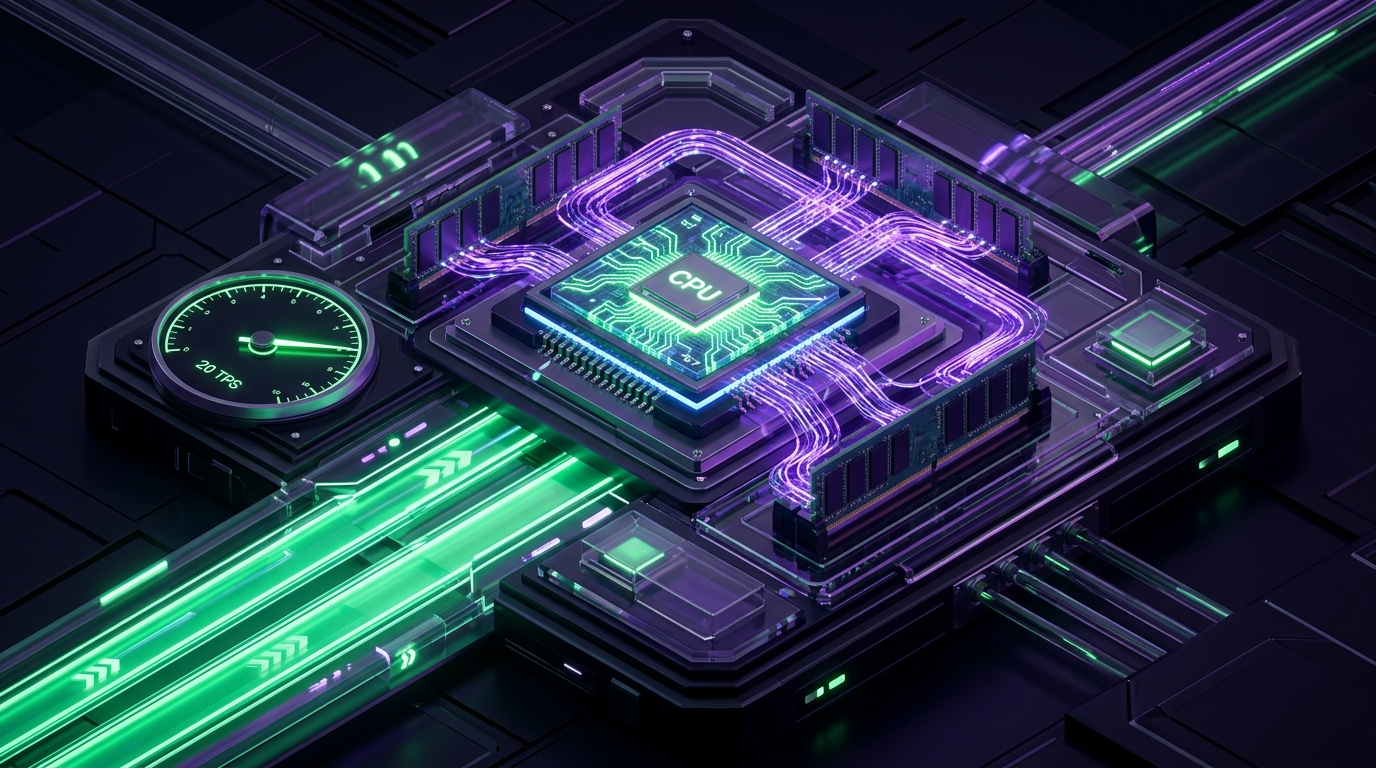
In contrast, Azion Cloud's Minecraft hosting runs on modern processors capable of boosting up to 5.7 GHz. Under identical 50-player loads, our servers complete tick calculations in 14.2ms, leaving massive headroom for intense PvP battles and redstone farms.
3. Storage Differences: SATA SSDs vs Enterprise Gen4 NVMe
Another hidden corner cut by budget hosts is storage. Many hosts still use cheap consumer SATA SSDs (500 MB/s) or old mechanical hard drives to cut costs.
When multiple players explore new chunks or when the server performs an automated world backup, a SATA SSD maxes out its I/O queue. The server freezes for 5 to 10 seconds, causing player disconnects and chunk save corruption.
Azion Cloud utilizes PCIe 4.0 Gen4 NVMe SSDs delivering up to 7,100 MB/s throughput. World backups complete silently in the background in under 8 seconds without a single dropped tick.

4. Network Quality & Real DDoS Protection
Cheaper hosts often use cheap, unoptimized transit routes. Packets from Delhi to Mumbai might route through Singapore and back, inflating player ping from 12ms to 95ms.
Moreover, when a rival server launches a simple 5 Gbps UDP flood, cheap hosts simply "null-route" (shut down) your server’s IP address for hours to protect their own network.
With Azion Cloud, every server is backed by 12+ Tbps enterprise edge filtering powered by Path.net and Corero. Malicious packets are identified and purged within 1 second, allowing genuine player traffic to continue playing completely undisturbed.
5. The Real Cost of Downtime for Indian Server Owners
Building a Minecraft server takes weeks of dedication: configuring permissions, building spawn hubs, customizing economy plugins, and recruiting players.
When new players join and experience rubber-banding, hit-delay, or frequent server crashes, they disconnect and never come back. Saving ₹50 a month on hosting isn't worth throwing away hundreds of hours of community building.
6. The Smarter Choice: Enterprise Quality at Fair Value
The good news is that you don't have to spend ₹2,000/month with international US-based hosts to get enterprise-grade quality.
By engineering direct infrastructure in Tier-3 Indian datacenters, Azion Cloud offers enterprise Ryzen 9 and Intel Xeon performance starting at just ₹99/mo. You get the lowest latency in India (4ms–14ms in Delhi and Mumbai), guaranteed 20.0 TPS, Gen4 NVMe speeds, and instant UPI activation.
Ready to experience the difference that quality hardware makes? Explore our Minecraft Server Hosting Plans or read our 2026 Minecraft Hosting Benchmark Review.